Scott 3200A Tailwheel – Fully Rebuilt: Reliable Aircraft Ground Handling Performance
Scott 3200A Tailwheel – Fully Rebuilt: Reliable Aircraft Ground Handling Performance
Blog Article
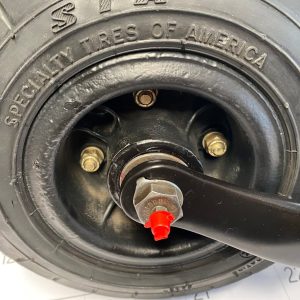
The Scott 3200A Tailwheel – Fully Rebuilt combines an established aviation design with inspected, serviced, adjusted, and replaced components intended to restore dependable mechanical operation. Clear rebuild records help aircraft owners and maintenance professionals evaluate the tailwheel before installation.
A correctly rebuilt Scott 3200A Tailwheel Assembly can support predictable steering when installed and adjusted properly on a compatible aircraft. The actual condition of a Scott Tailwheel Assembly should be determined through appropriate inspection rather than cosmetic appearance alone.
The Aircraft Tailwheel Assembly should remain properly aligned, lubricated, secured, adjusted, and compatible with the complete aircraft steering system. The General Aviation Tailwheel should receive maintenance based on actual use, operating surface, contamination exposure, and observed condition.
Whether buyers need an Aircraft Tailwheel, Taildragger Tailwheel, or complete Aviation Tailwheel System, model identification and rebuild details should be verified.
Key Benefits of a Rebuilt Scott 3200A
A fully rebuilt Scott 3200A may offer practical value when its identity, condition, rebuild scope, and aircraft compatibility are confirmed. A system-level evaluation can identify the true cause of binding, looseness, poor centering, irregular tire wear, or inconsistent ground control.
Choosing a Scott 3200A Tailwheel Assembly
Suitable internal clearances and secure steering components contribute to consistent performance. Detailed documentation gives buyers a stronger basis for comparing available Scott 3200A Tailwheel Assemblies.
Scott Tailwheel Reliability and Condition
A thorough rebuild generally begins with complete disassembly, careful cleaning, detailed inspection, and measurement of wear-sensitive areas. A freshly painted assembly may still contain worn bearings, weak springs, excessive clearances, or damaged steering components when no true rebuild was completed.
Aircraft Tailwheel Assembly Operation
Correct mechanical condition supports predictable aircraft behavior on the ground. A bent or fatigued tail spring can alter alignment and the aircraft’s ground attitude.
General Aviation Tailwheel Reliability
Grass, gravel, and dirt can introduce moisture, abrasive particles, vegetation, and debris into moving areas. Training aircraft may accumulate frequent taxi and landing cycles, while bush airplanes may experience greater surface irregularity and impact loading.
Maintaining an Aircraft Tailwheel
The assembly remains part of a complete ground-handling system that also includes rudder control, brakes, main gear, and pilot technique. The axle and bearings should be included in routine maintenance and rebuild inspection.
Benefits of a Taildragger Tailwheel
Mechanical wear, poor alignment, or unsuitable steering adjustment can increase pilot workload. Taildragger operation may expose the assembly to side loads during crosswind taxiing, Tailwheel Steering Assembly landing corrections, tight turns, and directional-control events.
Aviation Tailwheel System Inspection
An Aviation Tailwheel System includes the tailwheel assembly, tail spring, steering chains or links, steering springs, mounting hardware, surrounding structure, and its relationship with the rudder controls. Left and right steering connections should be inspected for matching condition and correct installation.
Tailwheel Steering Assembly Performance
The mechanism should respond smoothly without sticking, harsh engagement, excessive delay, uncontrolled release, or irregular centering. The full steering and swivel range should be checked after installation.
Aircraft Taxi Steering Performance
Poor steering response can increase tire wear, brake use, pilot workload, and difficulty in confined spaces. Responsible ground movement protects the Aircraft Ground Handling Tailwheel and surrounding structure.
Maintaining Scott 3200 Series Components
Historical popularity does not remove the need for exact aircraft compatibility and installation verification. Buyers should verify markings, mounting dimensions, steering-arm arrangement, wheel configuration, and included components.
Heavy-Duty Aircraft Tailwheel Applications
A Heavy-Duty Aircraft Tailwheel may be considered for utility, bush, training, agricultural, work-oriented, or backcountry aircraft exposed to demanding ground use. Even a robust assembly can wear quickly when the tail spring, steering links, mounting bolts, or alignment are incorrect.
Maintaining Tailwheel Components
Correct Tailwheel Aircraft Parts protect the integrity and performance of the rebuilt assembly. A weak spring, worn bushing, rough bearing, damaged pawl, or incorrect fastener may create movement throughout the mechanism.
Choosing an Aircraft Steering Tailwheel
A rebuilt steering mechanism should be evaluated for smooth, consistent, and repeatable operation. Uneven tire wear may indicate alignment, bearing, or steering concerns.
Choosing a Replacement Aircraft Tailwheel
A Replacement Aircraft Tailwheel should be selected through exact aircraft application, mounting details, tail-spring configuration, steering arrangement, and suitable technical information. The unit should not be installed solely because it appears clean or freshly refinished.
Buying General Aviation Landing Gear Parts
A complete landing gear assessment may reveal concerns beyond the tailwheel itself. Transparent descriptions support trust among aircraft owners, sellers, and maintenance professionals.
Scott 3200A Pre-Purchase Inspection
A pre-purchase inspection should confirm the assembly identity, rebuild scope, structural condition, included components, tire status, steering arrangement, and available documentation.
- Resolve identification, compatibility, and completeness questions before payment.
- Confirm whether retained components passed inspection and whether replacement parts were appropriate for the assembly.
- Report missing parts, shipping damage, rough operation, identification discrepancies, or incomplete documentation according to the agreed terms.
Scott 3200A Tailwheel Installation Guide
Mounting surfaces, steering springs, chains, hardware, and attachments should be reviewed before the rebuilt unit is installed. The steering linkage should respond properly without restricting rudder movement.
Professional follow-up adjustment may be necessary after initial operation.
Long-Term Scott 3200A Care
Aircraft operating from dirt, grass, gravel, mud, or backcountry strips may require more frequent attention. Recurring shimmy or unusual tire wear should be diagnosed rather than addressed through repeated adjustment without identifying the cause.
Corrosion protection may be especially important in humid, coastal, agricultural, outdoor-storage, or wet operating environments.
Buying a Fully Rebuilt Scott Tailwheel
The Scott 3200A Tailwheel – Fully Rebuilt offers meaningful commercial value when the work performed is transparent and the complete package is described accurately. Careful technical and commercial evaluation can reduce compatibility problems, repeated repairs, project delays, and unexpected costs.
Whether the project involves an Aircraft Ground Handling Tailwheel, Scott 3200 Series Tailwheel, Heavy-Duty Aircraft Tailwheel, or Tailwheel Aircraft Parts, rebuild documentation should be reviewed carefully. With transparent rebuild records, secure mounting, serviceable steering components, and careful taxi testing, the Scott 3200A can support predictable ground handling.
Report this page